
Adult-Focused Sensory Gardens: A Sanctuary for Relaxation and Mindfulness

Step into a world where every sense awakens. A garden designed not just to be seen, but to be felt, heard, touched, and even tasted. This is the essence of adult-focused sensory gardens. They invite calm, nurture mindfulness, and offer a gentle escape from the rush of daily life. Here, I share ideas to help you craft your own peaceful retreat.
The Magic of Adult-Focused Sensory Gardens
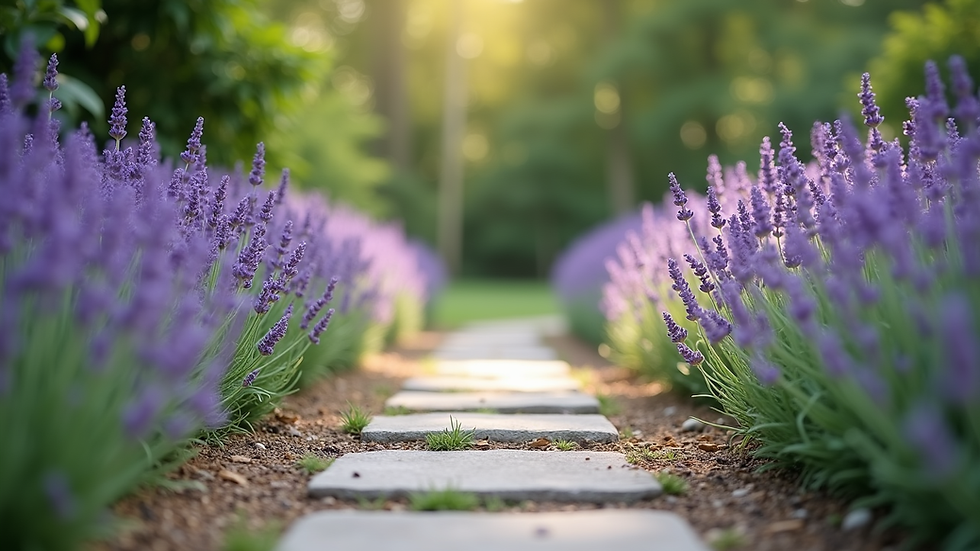
Imagine a space where the soft rustle of leaves soothes your mind. Where the scent of lavender drifts lazily on the breeze. Where textures invite your fingertips to explore. Adult-focused sensory gardens are more than pretty spaces. They are carefully curated environments that engage all your senses, encouraging presence and peace.
These gardens use plants, materials, and design elements to create a rhythm of calm. Think of a winding path lined with smooth stones, a small water feature whispering nearby, and seating nestled among fragrant herbs. Each element works in harmony to ground you in the moment.
Key features include:
Aromatic plants like rosemary, mint, and jasmine to awaken the sense of smell.
Textured surfaces such as soft moss, rough bark, and smooth pebbles for tactile exploration.
Sound elements like trickling water or wind chimes to create a gentle soundtrack.
Visual contrasts with varied colours and shapes to delight the eyes without overwhelming.
Edible plants offering fresh tastes and a connection to nature’s bounty.
These elements combine to form a sanctuary that calms the mind and nurtures the soul.

How Do I Create a Calming Sensory Garden?
Start small. Choose a quiet corner of your garden or a balcony space. Begin by selecting plants and features that appeal to your senses and suit your climate. In Derbyshire, consider hardy, fragrant plants that thrive in temperate conditions.
Step-by-step guide:
Plan your space - Sketch a simple layout. Include a seating area, pathways, and planting zones.
Select plants - Choose a mix of evergreen and seasonal plants. Lavender, sage, and thyme offer scent and texture. Grasses and ferns add movement and softness.
Add water features - A small fountain or birdbath introduces soothing sounds.
Incorporate tactile elements - Use pebbles, bark mulch, or smooth tiles along paths and seating areas.
Create visual interest - Use contrasting leaf shapes and colours. Add sculptures or wind chimes for gentle movement.
Include edible plants - Herbs like mint or chives invite tasting and enhance the sensory experience.
Consider lighting - Soft, warm lights extend the garden’s calm into the evening.
Maintain your garden with gentle care. Prune mindfully, water with intention, and spend time simply being in the space. Let it evolve naturally.
Engaging the Senses: Practical Ideas for Your Garden
Sight
Choose plants with varied colours and forms. Soft greens, deep purples, and gentle blues calm the eye. Use repetition to create rhythm. Add focal points like a stone bench or a small sculpture to draw the gaze.
Sound
Water features are a classic choice. Even a simple bowl with floating flowers can create subtle sounds. Wind chimes made from bamboo or metal add a delicate melody. Plant grasses that rustle in the breeze.
Smell
Plant herbs and flowers known for their fragrance. Lavender, rosemary, and gardenias release calming scents. Consider planting near seating areas or pathways to maximise their effect.
Touch
Incorporate plants with interesting textures. Lamb’s ear offers soft, velvety leaves. Ferns provide feathery fronds. Use natural materials like smooth pebbles or rough bark for paths and borders.
Taste
Grow edible plants that invite nibbling. Fresh herbs, berries, or even small fruit trees can connect you to the garden in a nourishing way.

Bringing Mindfulness into Your Garden Routine
Your sensory garden is a living meditation. Approach it with intention. Use it as a space to pause and breathe deeply. Engage fully with each sense.
Try these mindful practices:
Slow walking - Follow your garden path slowly. Notice the textures underfoot, the scents in the air, the sounds around you.
Focused breathing - Sit quietly and breathe in the fragrances. Let your breath match the rhythm of the garden.
Touch meditation - Gently stroke leaves or stones. Feel their texture and temperature.
Listening session - Close your eyes and listen to the garden’s sounds. Identify each one without judgement.
Taste exploration - Sample fresh herbs or berries. Notice the flavours and textures.
These simple acts deepen your connection to the garden and to yourself.
Designing Your Personal Sanctuary in Derbyshire
Derbyshire’s climate invites a blend of hardy perennials and seasonal blooms. Choose plants that thrive here and reflect your personal tastes. Consider native species to support local wildlife and enhance the garden’s natural harmony.
Work with natural materials sourced locally. Stone, wood, and clay add authenticity and warmth. Design paths and seating areas that invite lingering and reflection.
Remember, your garden is a canvas for your senses and your soul. Let it grow with you.
Explore more sensory garden ideas for adults to inspire your bespoke outdoor sanctuary.
Create a space where peace blooms. Where every leaf, scent, and sound invites you home. Your adult-focused sensory garden awaits.


Comments